LA fires: Look out for the shock doctrine
An analysis of the 2025 Los Angeles wildfires through the lens of Naomi Klein’s 'Shock Doctrine,' exploring how disasters are used to push through radical policy changes.
When we experience trauma, our bodies may stop circulating blood properly and delivering enough oxygen to vital organs: we go into shock. It is a physical and psychological shutdown that makes us vulnerable, and this vulnerability can be exploited.
The Origins of Shock
In the 1950s, psychiatrists experimented with sensory deprivation, drugs, and electrical shocks to "reset" the human mind. The CIA later adopted these techniques for interrogation, discovering that a person in shock is easier to break and more likely to comply.
But shock does not just happen to individuals; it can be extrapolated to entire communities. A major disaster can disorient a population, allowing those in power to push through decisions that the public would normally reject. This is what Naomi Klein describes as The Shock Doctrine.
Historical Precedents
- Hurricane Katrina: Public schools in New Orleans were privatized while the city was still recovering.
- Economic Shock Treatment: Milton Friedman’s strategy of using crises to push through free market reforms rapidly.
The 2025 L.A. Wildfires
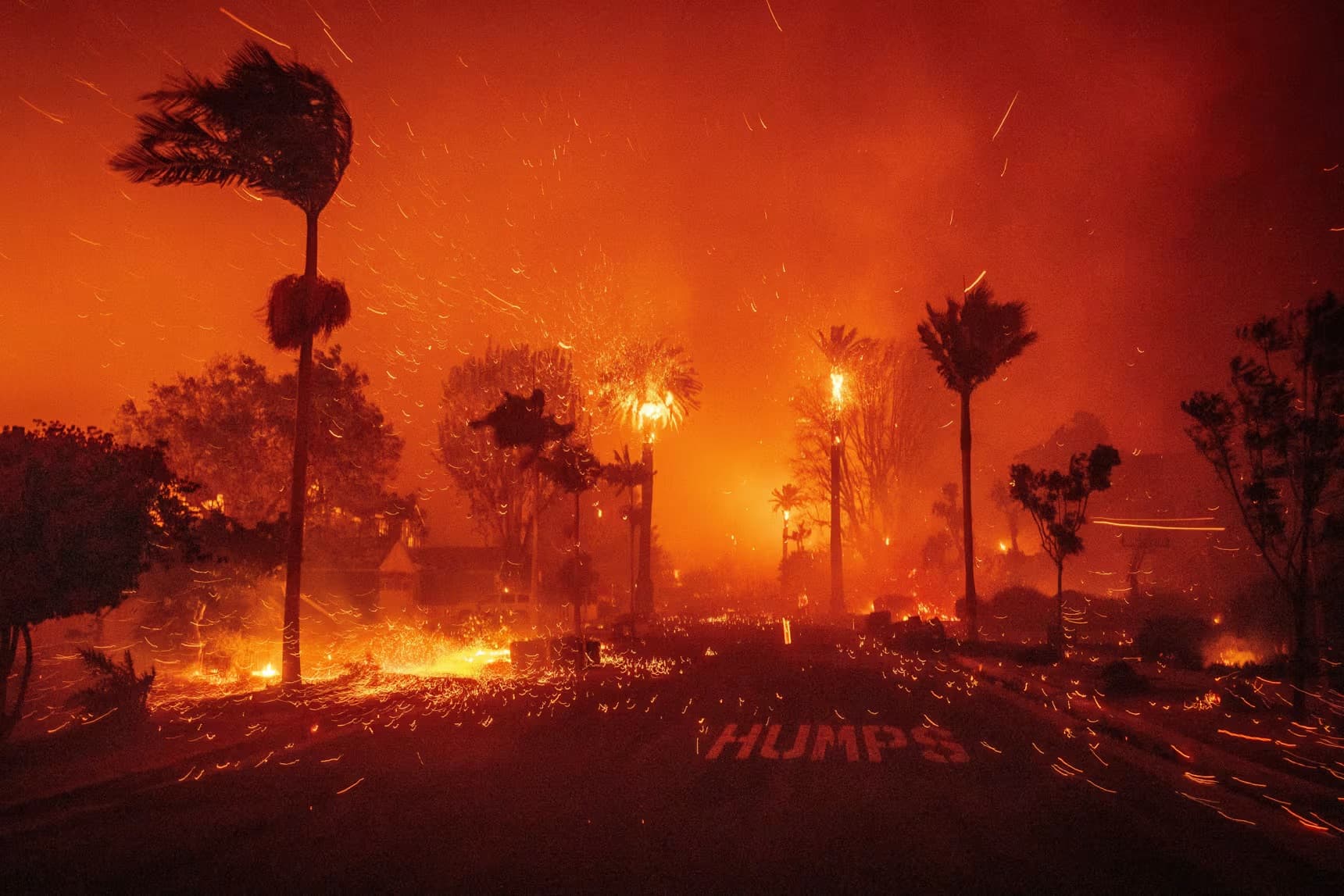
In January 2025, Southern California was hit by the Eaton and Palisades Wildfires, which now rank among the top three most destructive in state history.
The aftermath was catastrophic:
- Structures: Over 16,000 buildings burned down.
- Land: More than 37 acres destroyed.
- Impact: Entire communities were reduced to ash, leaving residents in a state of fear, grief, and financial devastation.
Disaster Capitalism in Motion
Three months after the flames, the "shock" conditions remain, and subtle shifts are already occurring. While some changes are public, such as insurance companies seeking rate increases, others are political.
In February, Governor Newsom announced a plan to "cut the red tape" and speed up permits for rebuilding Los Angeles. While framed as an urgent necessity, it raises critical questions: will displaced families actually be able to return, or are these rules benefiting developers at the expense of the people?
When people are focused on survival, they have little energy for politics. This allows leaders to frame radical changes as "inevitable" before the public even notices.
A Call to Action
Information is the only resistance to shock. We must watch the deals, the policies, and the privatization attempts today rather than waiting to study them years from now.
"Information is shock resistance. Arm yourself." — Naomi Klein
We must question a system that does not just endure disasters but actively encourages and benefits from them. It is time for the citizens to interrogate the process back.

Author