
Unpacking Minerva’s Early Ties to Jeffrey Epstein
An investigation into the historical connections and communications between Minerva University's founding team and Jeffrey Epstein.
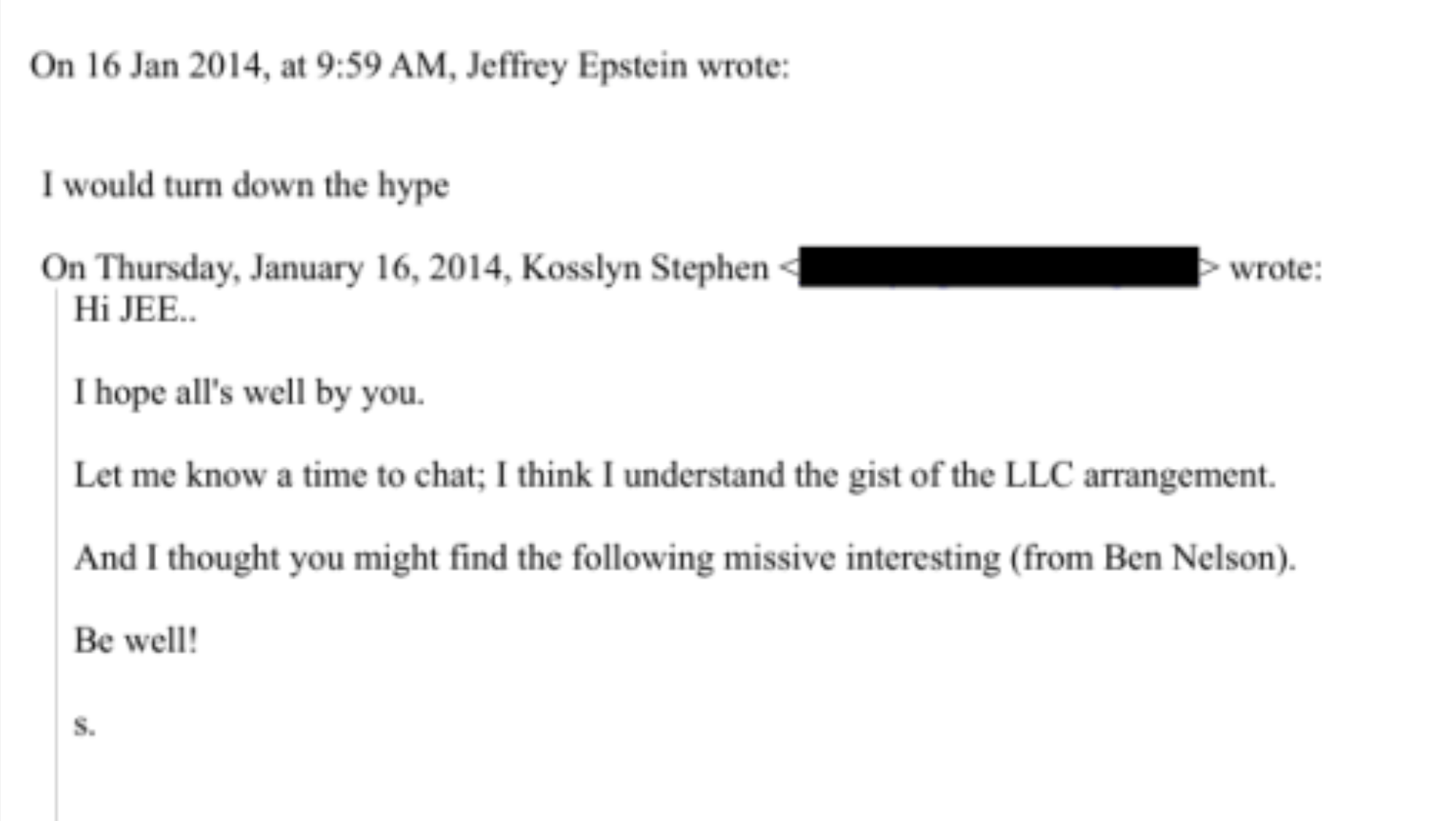
After a 1-page-and-a-half email from Ben Nelson, explaining the vision of Minerva University, the credentials of its deans, and its global rotation plans, all Jeffrey Epstein had to say was:
“I would turn down the hype”
Epstein’s known friend and Minerva Founding Dean Stephen Kosslyn was even confident that our university had “almost no chance of succeeding”. Not merely, they were so sure Minerva University was going to be a major fail, that Epstein worried for Kosslyn’s reputation and advised him to “actively look for other things while not [maintaining] a very high profile with [Minerva]”. When Kosslyn said that would not be possible, Epstein answered, alarmed: “Be careful, [very] careful with Minerva.” To which Kosslyn answered: “There’s no doubt that it is very likely to fail”.
For context, it’s worth noting that Epstein’s concern for Kosslyn stems from their intimate friendship, with Kosslyn having even visited “Jee” (how he addresses Epstein) in prison and borrowed Epstein’s infamous NYC apartment at times. Stephen Kosslyn is mentioned more than 2,000 times in the Epstein files (as of files released by March 2026, which represent around half the total files), with, amidst frequent meals, calls, and encounters, the most horrendous one being in a victim’s account of being raped by several of Epstein’s friends, including Kosslyn, when she was still a minor. Although the name is redacted from the files, journalist Annette Witheridge of the Daily Mail uncovered that this victim is Virginia Giuffre, a prominent victim who was outspoken about her experience of trafficking, and died in a suspicious suicide in 2025.
Despite Kosslyn’s and Epstein’s utter disbelief in Minerva, Kosslyn and Ben Nelson still vigorously advocated for funding from Epstein. Two relevant encounters of such were a lunch between Nelson, Epstein, Kosslyn, and Senator Bob Kerrey —former executive chairman of the Minerva Institute for Research and Scholarship, the fund-raising arm of the Minerva Project—, as well as a scheduled meeting at Epstein’s NYC mansion with Kosslyn, Ben Nelson, and other members of the founding team: Jonathan Katzman (Chief of Tech Product), Teri Cannon (lawyer in charge of accreditation), Miriam Rivera (COO), and Robin Goldberg (Chief Marketing Officer). Moreover, in preparation for a private meeting between Nelson and Epstein, Kosslyn sent Epstein a detailed breakdown of Minerva’s seed funding status and asked for Epstein’s input. As we know, this all happened post-2008, after Epstein had pleaded guilty to state charges of solicitation of prostitution and of solicitation of prostitution with a minor, and after serving less than 13 months in a minor-security facility for that.
The only reason why we (thankfully) do not have any Epstein dirty money in our university’s bank history is that he turned it down. And that leaves us, years later, with so many questions. The most prominent one being, perhaps: What does it say about us that our founders were willing to receive money from a known child abuser?

Quotes from the Files
“Be careful, very careful with Minerva” — Jeffrey Epstein
“There’s no doubt that it is very likely to fail” — Stephen Kosslyn
It’s not unique to Minerva, as a start-up enterprise, to accept funding from wherever it can come. Nor is it unique to us as a higher institution to have controversial sources of income (Oxford University has reportedly received donations from Russian oligarchs, fossil fuel companies, descendants of slave traders, and even the president of Azerbaijan, all in recent years). But the thought still leaves a sour taste in our mouths. Especially if we let ourselves wonder an even darker question: What would be the implications for Minerva, as an institution based on community and critical wisdom, if Jeffrey Epstein had played a larger role in our formation?
Perhaps the takeaway message of this can be somewhat optimistic. Because, other than being, in essence, Satan on Earth, Jeffrey Epstein was also rich (at the time of his death, he was worth $578 million). Although people claim he made his wealth by blackmailing the people who would join him on his island of pedophilia, the official story is that he created this wealth through his job as a financial advisor to billionaires, to whom he offered investment, estate, and tax planning services. His skill set lay in identifying which initiatives were worth investing in.
And he said Minerva University was a “pie in the sky” from how unrealistic it is.
And yet, here we are. We have been through administration changes, rotation cities additions and removals, grading changes for the better and for the worse, but we’re still standing. Netflix founder Reed Hastings, when donating $20 million to our university, said, “That’s the university I wish I had attended.” Nippon Foundation donated $50 million to Minerva, just to secure our presence in Tokyo. Our alumni are doing impressive things in all kinds of fields.
We proved Jeffrey Epstein wrong. And if the mainstream media and the US government will keep protecting him, we will keep thriving, and in a small way, tarnishing his reputation.
Figures
| Image | Caption |
|---|---|
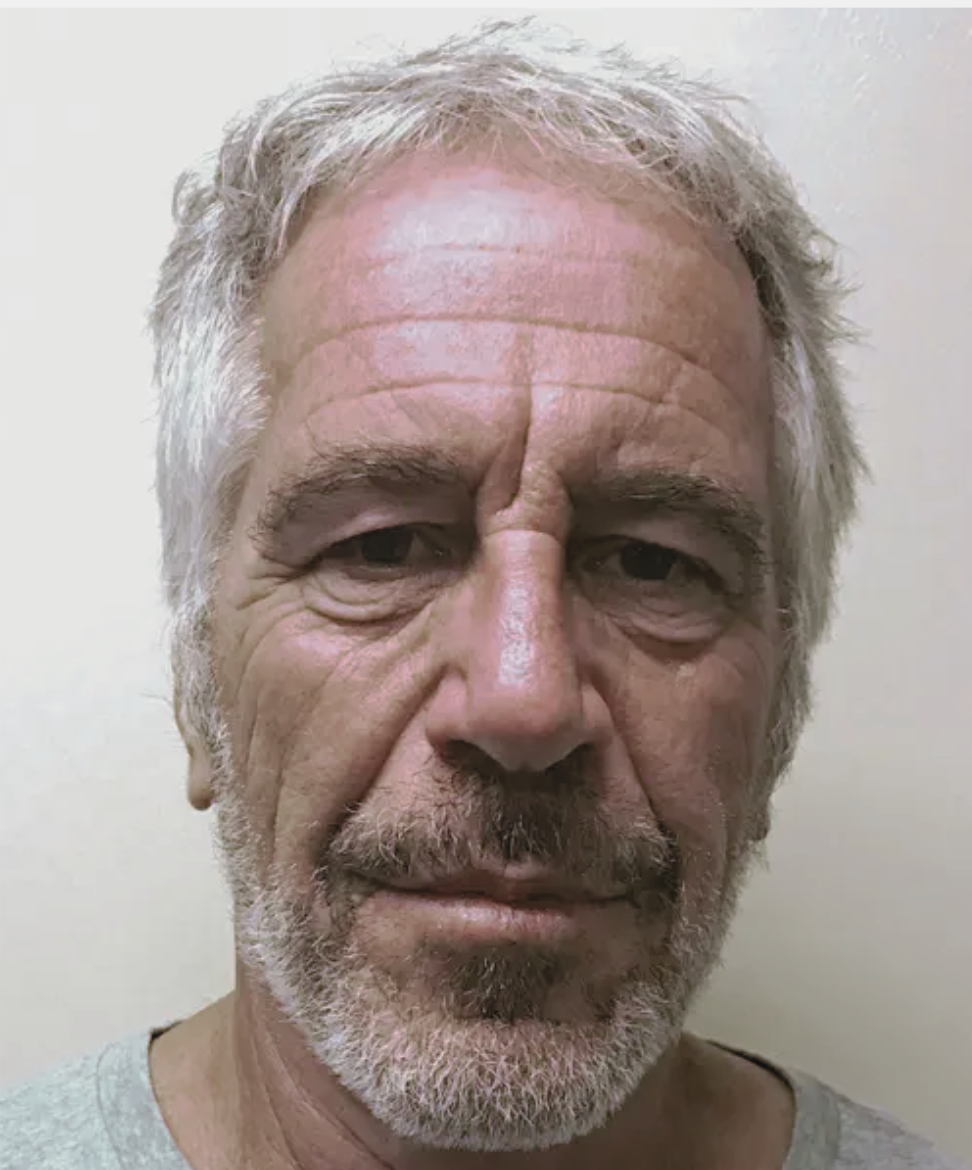 | Jeffrey Epstein. Via: https://www.nytimes.com/2021/12/01/nyregion/jeffrey-epstein-suicide.html |
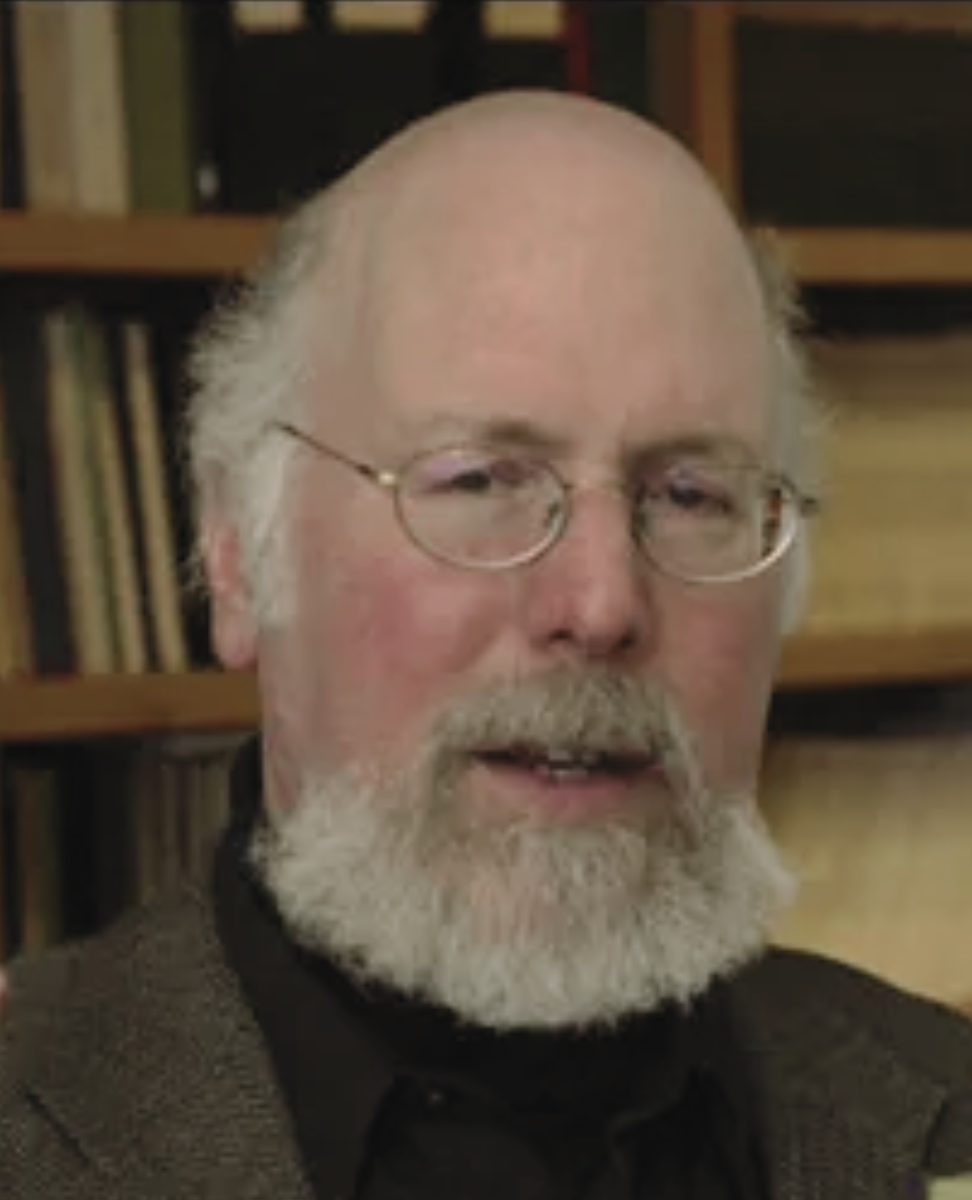 | Stephen Kosslyn. Via: https://news.harvard.edu/gazette/story/2004/07/thought-of-pain-changes-the-brain/ |
 | Ben Nelson. Via: https://en.wikipedia.org/wiki/Ben_Nelson_%28businessman%29 |

Author